Understand the visible difference
A panel light presents a broader, relatively flat luminous face, while many COB downlights use a more compact fixture intended to direct light from a smaller opening or surface fitting. The appearance in the room depends on the model, mounting method, reflector or trim design, and its position. Product families can contain different sizes, so verify the actual product rather than relying on a broad category label.
OVR Electric’s official catalog includes Slim Panel and Pluto Panel products, as well as Prime COB, Alix COB and Premium COB models. The catalog entries provide model names, wattages and selected dimensions. Those details help narrow options, but they do not replace a room layout or an electrician’s installation assessment.
Think about the lighting pattern
A panel may suit a plan where a broader light source is wanted across an area, such as general ceiling lighting. A COB downlight can be considered where a smaller fixture or more focused placement is part of the design. These are planning descriptions, not a guarantee of a specific beam angle or measured distribution; check the exact product data because beam-angle details may not be listed for every model.
Sketch the room and mark furniture, counters, work surfaces and existing fittings. Decide whether you want an even overall pattern, light over particular points, or a combination. A designer or electrician can help determine spacing and quantity. Avoid assuming that replacing one panel with one COB, or the reverse, will produce the same light distribution.
Check the ceiling and installation dimensions
The ceiling type often decides which products are practical. Recessed fixtures need enough space above the ceiling and a cutout that matches the listed dimensions. The Slim Panel models list cutout and outer dimensions; some COB models list a cutout or a size entry instead. Surface-mounted products have different fit considerations. Read the exact catalog row and ask the installer to confirm how its dimensions should be interpreted.
Before ordering, measure the opening, available clearance and visible coverage needed around the opening. Existing holes may be uneven or larger than expected. Also check access for wiring and service. If a ceiling is already finished, photographs and measurements can help a supplier identify questions to resolve before shipment, but a qualified person should confirm the final installation.
Compare light output and colour options
Look at the wattage, lumen value and colour-temperature options for the specific model. The catalog records 3K/4K/6.5K options for several products and shows model-specific entries. A compact fixture with a higher wattage is not automatically the right replacement for a larger panel: the shape of the lit surface, output information and position all matter. Compare documented specifications and avoid guessing at missing beam or dimming data.
For neighbouring fittings, colour consistency is worth planning. A warmer light may appear different from a cooler one on the same wall or product display. Check whether the chosen product offers the preferred option and whether all units in the order can be supplied consistently. If switching or dimming is important, ask about compatibility before making a selection.
Consider maintenance and the order quantities
For a home, think about the appearance, ceiling access and likely maintenance. For a shop or office, include the number of fittings and how an interruption would affect the area. Do not choose only by the lowest printed MRP. A product that does not fit the cutout or suit the lighting layout can create extra work after delivery.
For a larger order, group the quantity by model code, wattage and colour temperature. Ask the supplier to quote the same mix you intend to install. OVR Electric displays catalog MRP in INR and provides bulk quotes on request. A written quote helps avoid confusion when several families or wattages appear in one project.
A simple selection process
Start with the ceiling and the room’s purpose. Next, decide whether a broad panel appearance or a compact downlight is more suitable for the layout. Then compare the actual cutout, outer size, wattage, lumens and colour choices in the catalog. Finally, ask the installer to verify fit and request a written quote with exact model codes and quantities.
There is no one fixture type that suits every room. A project can use different products in different areas if the layout supports that choice. Review selected OVR panel and COB models below, browse the official catalog, and contact the team if a specification is unclear. Confirm warranty and delivery details before you approve the order.
See the OVR supplied driver label examples ↗
OFFICIAL CATALOG / MRP IN INR
Selected catalog products
Cards below show printed catalog MRP, not a wholesale quote. Request a quote for the exact models and quantities you need.
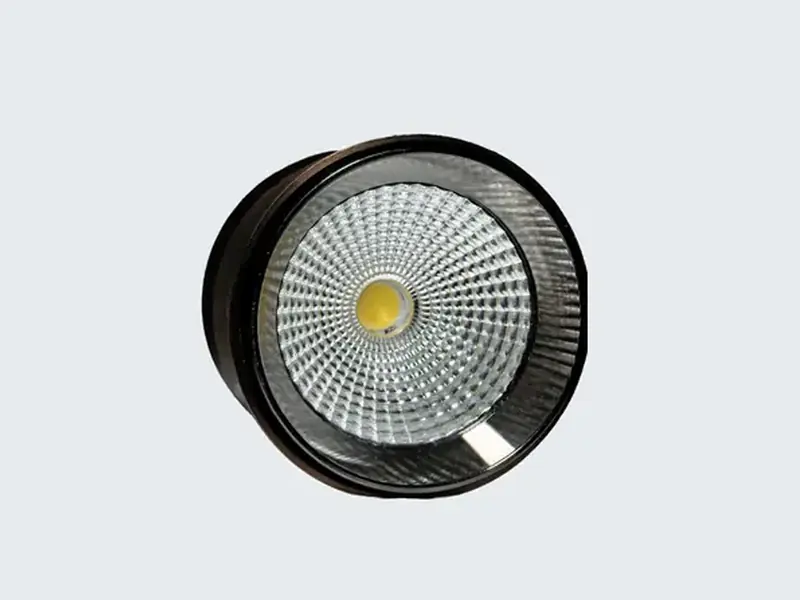 COB downlight / 3 catalog variantsPrime CobFrom Rs 332.00 MRP7W–18W
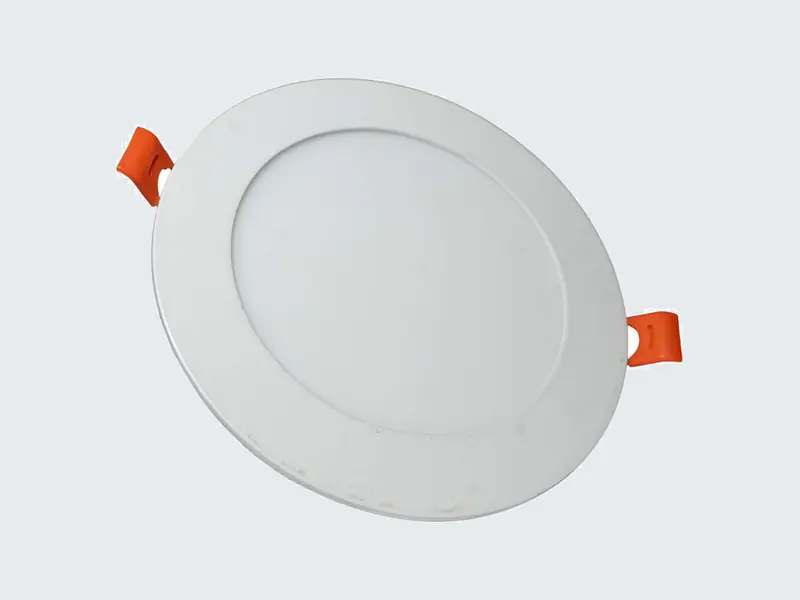 slim panel light / 2 catalog variantsSlim PanelFrom Rs 243.00 MRP9W–12W
Related product information: COB Downlight Dealer and Supplier in Indore ↗ · Open the complete official catalog ↓
QUESTIONS / ANSWERS
Frequently asked questions
What is the difference between COB downlight and LED panel light?
Compare the fixture form, exact dimensions and cutout. COB describes a light-source package; panel describes a broad, flat light face.
Which type gives more even room lighting?
That depends on the number, spacing, model and room layout. A broader panel face and a smaller downlight create different patterns; plan from the actual specifications rather than product category alone.
Need help with your product list?
Share the catalog model codes, quantities and delivery location. OVR Electric can respond to your specific request; confirm price, warranty and delivery details before ordering.