
What the Kelvin number tells you
Colour temperature is expressed in kelvin (K). In everyday lighting descriptions, 3000K is generally called warm white, 4000K neutral white and 6500K cool or daylight white. The numbers describe how the light appears; they do not mean that a 6500K fixture is necessarily brighter or more powerful than a 3000K fixture. Brightness and colour appearance are different choices.
The catalog uses shorthand such as 3K, 4K and 6.5K for listed options on several models. Read the full product row: not every model necessarily has the same options, and the Pluto Panel 10W listing uses the phrase Tri Colour. Confirm the exact selection and availability for each product code before including it in a bulk order.
Choose for the room, not just the label
A warmer-looking light can feel comfortable in places where a relaxed appearance is desired. A neutral tone is often considered for general areas where a balanced white appearance is preferred. A cooler-looking light may suit a crisp, bright visual style. These are starting points, not rules: the room’s finishes, daylight, furniture and personal preference all affect how a lamp looks.
In retail or display areas, consider how the light makes product colours and surfaces appear, and compare with the other fittings already present. For a home, look at the wall paint, flooring and the character of nearby rooms. If people use the same area for several purposes, decide which use matters most and whether one consistent tone is preferable.
Keep colour consistent across a space
Mixing different colour temperatures in one visual field can make ceilings, walls or displayed objects look uneven. That may be intentional in a layered lighting design, but it should be planned. Record the chosen Kelvin option alongside each model code, and make sure replacement units later can be matched as closely as possible. Keep the product packaging or invoice details as a reference.
When buying several families, do not assume that every model marked 3K, 4K or 6.5K will look identical in every condition. Product design and surrounding surfaces influence perception. If consistency is important, ask the supplier about matching the specified option across the exact models in your order and clarify how a multi-option or Tri Colour product is selected and operated.
Separate colour temperature from brightness
For a fair comparison, check both lumen information and colour-temperature choice. Lumens relate to light output, while kelvin is the appearance of the light. Wattage indicates electrical power. These measurements answer different questions, so a buyer should not substitute one for another. The OVR catalog lists model-specific wattage and lumen information; use those entries rather than comparing only the product names.
Also consider the intended number and spacing of fixtures. The same colour temperature can feel different in a small, low-ceiling room than in a large space with daylight. A qualified installer can help think through the layout. Avoid making a specific brightness or coverage promise based only on Kelvin values.
Confirm what is actually included
Before a project order, ask which colour-temperature option will be supplied for each product code. If one product is multi-option or described as Tri Colour, ask how the setting is selected and whether the chosen mode can be changed after installation. Do not infer a switch, remote or control method unless the product documentation confirms it.
For replacement purchases, take a photo of the existing label or note the printed Kelvin value. If the old light has no label, compare it in person with candidate samples if possible. Avoid relying only on a phone photo, since screens and camera processing can shift the apparent colour.
A practical checklist for a mixed order
Write down the room or zone, model code, wattage, lumen entry, selected colour temperature and quantity. Mark which products are adjacent and which are in separate spaces. For a shop, include display, counter and circulation areas; for a home, note connected rooms and transition spaces. This allows a team to review the order as a lighting plan rather than a list of unrelated product names.
OVR Electric publishes catalogue MRP in INR and provides a bulk quote on request. Share the chosen colour options when requesting prices so the quote describes the intended mix. Confirm GST invoicing, the two-year warranty information and delivery details for your location in writing before the order is final.
OFFICIAL CATALOG / MRP IN INR
Selected catalog products
Cards below show printed catalog MRP, not a wholesale quote. Request a quote for the exact models and quantities you need.
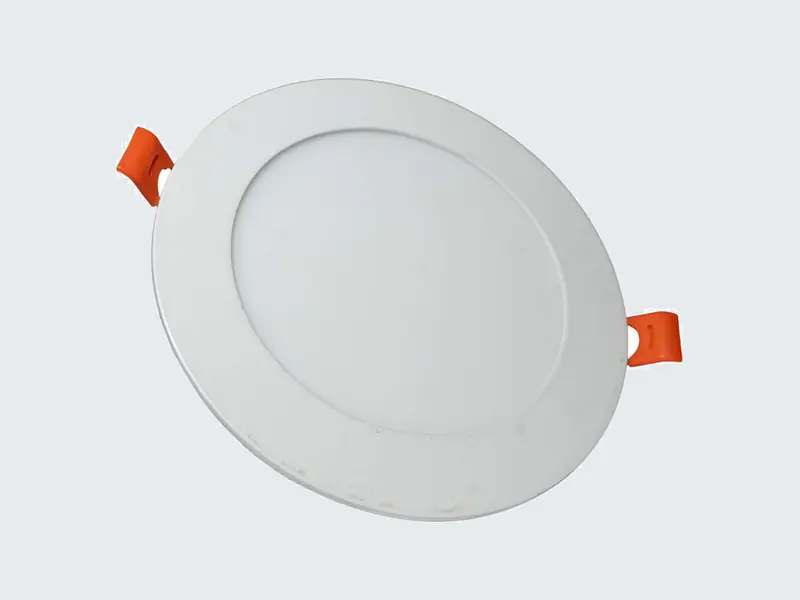 slim panel light / 2 catalog variantsSlim PanelFrom Rs 243.00 MRP9W–12W
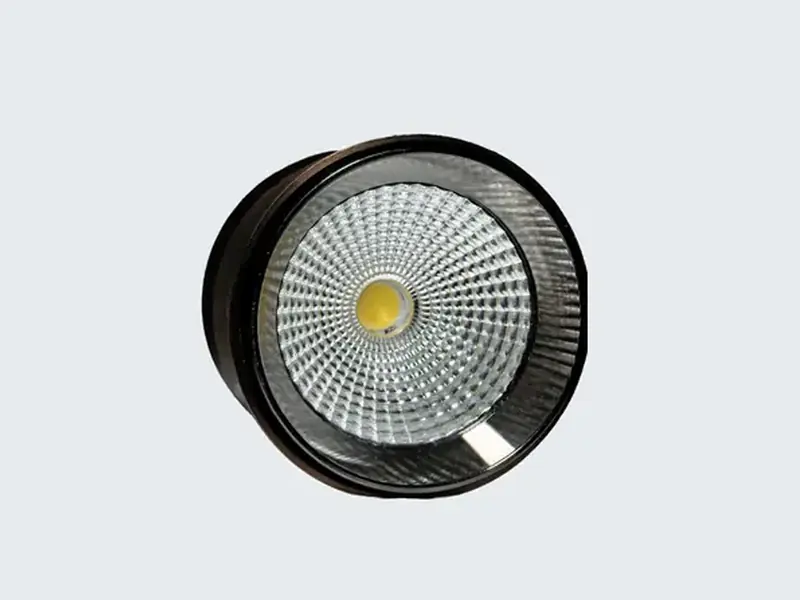 COB downlight / 3 catalog variantsPrime CobFrom Rs 332.00 MRP7W–18W
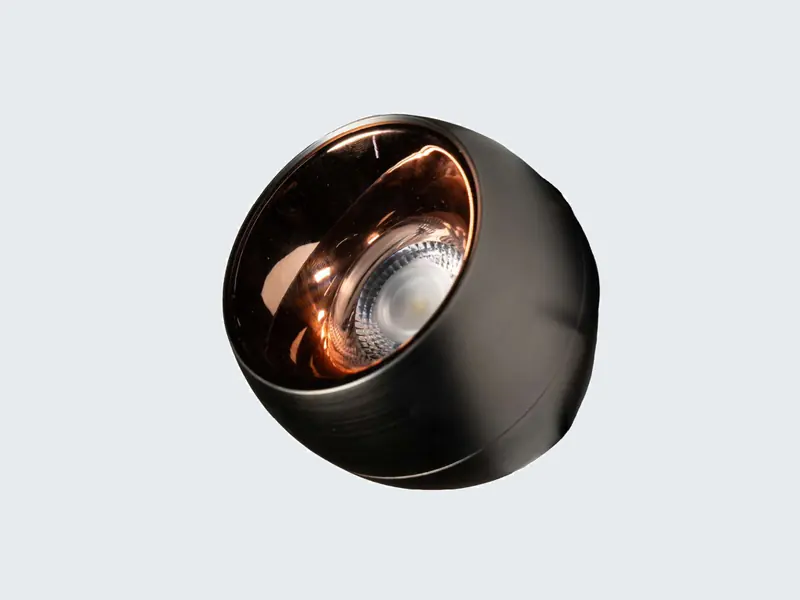 LED spotlight / 3 catalog variantsSpot CurveFrom Rs 288.00 MRP7W–18W
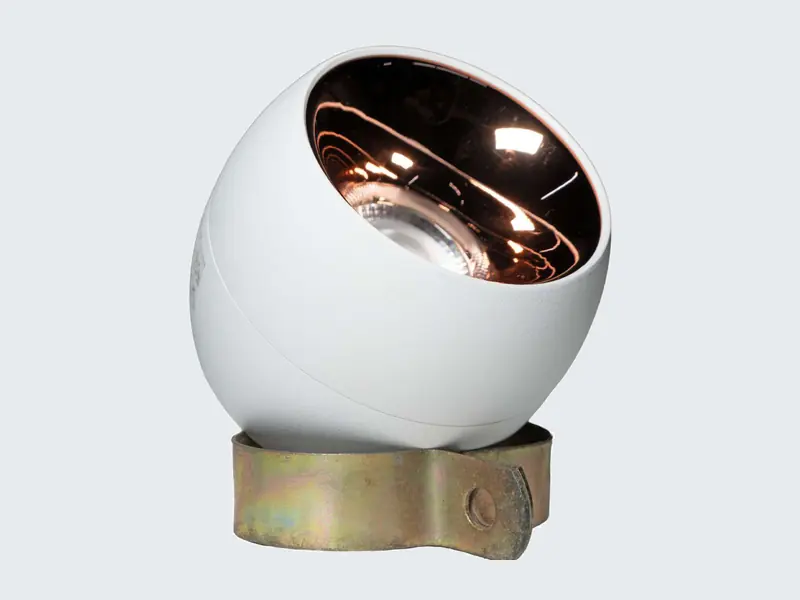 LED cylinder light / 3 catalog variantsApple CylinderFrom Rs 414.00 MRP7W–18W
Related product information: LED Lights Wholesale Supplier for Madhya Pradesh ↗ · Open the complete official catalog ↓
QUESTIONS / ANSWERS
Frequently asked questions
What do 3000K, 4000K and 6500K mean for LED light?
They describe common appearances of white light, not brightness. Check the Kelvin options listed for the exact catalog model.
Are 3K, 4K and 6.5K options available on every OVR light?
Options vary by model. Check the exact product entry in the catalog and confirm the selected option for the model code you plan to order.
Need help with your product list?
Share the catalog model codes, quantities and delivery location. OVR Electric can respond to your specific request; confirm price, warranty and delivery details before ordering.